
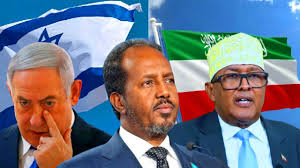
The question of Somaliland obtaining recognition from Israel has sparked intense debate globally, particularly in the Horn of Africa.
The prospect of the recognition of Israel by Somaliland has sparked intense debate globally, particularly in the Horn of Africa. Supporters of this move – led by the United Arab Emirates and Ethiopia – believe it is strategic. It happens at a time when the Yemen conflict and the Houthi control of key maritime routes have drawn significant attention. During the period of sanctions imposed amid the October 7 conflict between Palestine and Israel, which ended a few months ago, these routes became even more critical.
From Israel’s perspective, the situation presents an opportunity to more easily counter the Houthis. It may also secure a suitable location for a military base. On the other hand, the Federal Government of Somalia has issued a clear and firm rejection of this move. They describe it as blatant interference and a violation of Somalia’s sovereignty. It emphasized that Somaliland is a regional administration within Somalia. Thus, authority over foreign affairs rests solely with the Federal Government of Somalia.
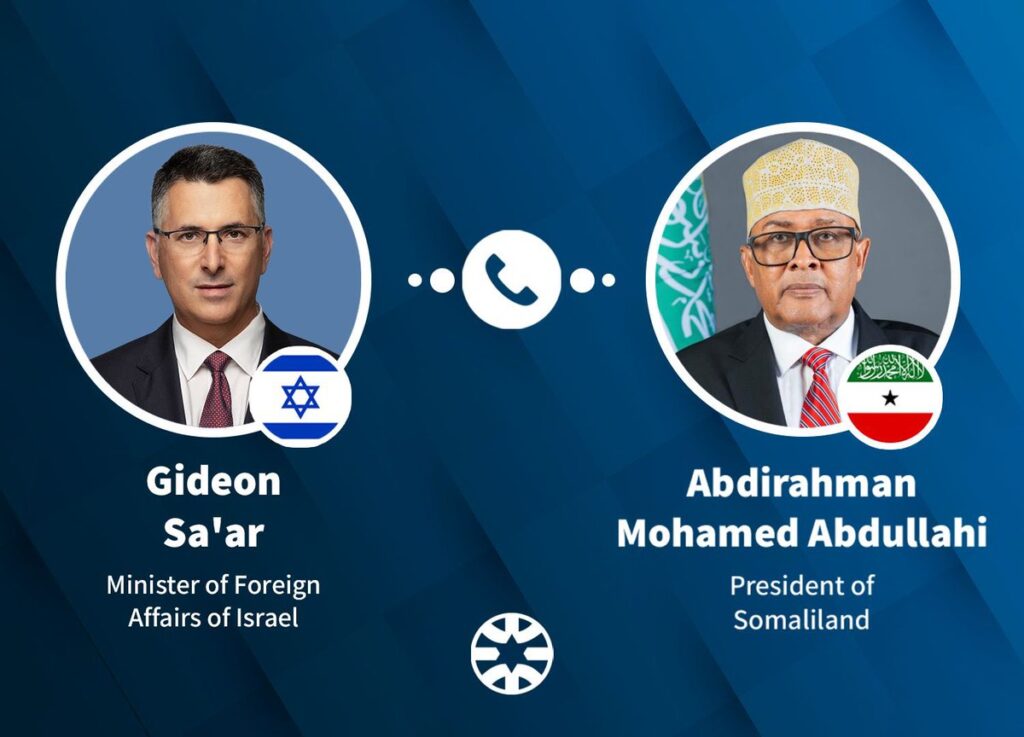
This raises an important question: why has recognition of Israel by Somaliland, this sensitive issue been announced at such a critical time?
Since it declared independence from Somalia back in 1991, Somaliland has been functioning as a de facto state. It has its own government, security forces, currency, and democratic institutions. Even though it enjoys a certain level of stability compared to the chaos in southern Somalia, it still hasn’t received formal recognition from the international community. This lack of recognition really limits Somaliland’s access to important international financial institutions, foreign investments, and diplomatic platforms around the world.
Because of this situation, the leaders of Somaliland have had to get creative. They’ve often turned to pragmatic and sometimes unconventional diplomatic strategies. One of the main focuses of their foreign policy has been to strengthen ties with countries that are open to informal engagements. This approach is crucial for them. They’re trying to build relationships that might help in gaining some recognition or at least support on the global stage.
Some folks view the idea of recognizing Israel as a smart move.
Certain leaders see it as a way to pull in powerful allies. By doing this, they’re hoping to gain a bit more visibility on the international scene. It’s kind of a risk, but they think it might pay off regarding support or recognition. The diplomatic scene is tricky, and every little bit matters when you’re trying to have your voice heard.
Somaliland’s situation is pretty complex. There’s a balance to strike between seeking recognition and navigating those diplomatic waters. The leaders know that every step they take could lead to either more isolation or new partnerships. It’s like they’re walking a tightrope, and it’s really interesting to see how they handle these challenges.
Since 1991, Somaliland’s journey has been full of resilience and adaptability. The ongoing quest for recognition shows just how much they understand the geopolitical landscape. Each move they make is carefully considered, reflecting a deep awareness of the stakes involved. They’re not just trying to survive; they’re trying to thrive in a world that often overlooks them.
The diplomatic strategies
The diplomatic strategies they employ are really about making connections that matter. They’re looking for opportunities wherever they can find them. It’s about building relationships that might lead to something more substantial down the road. They know that every engagement counts, whether it’s a small meeting or a larger agreement.
In this context, recognizing Israel might seem like a gamble, but it’s one they’re willing to take. They’re aware that the international community is watching, and they want to position themselves as a player, not just a spectator. The hope is that this recognition could lead to more significant partnerships, which could ultimately help them on their path to gaining formal recognition.
Navigating these waters isn’t easy. The leaders have to be strategic and thoughtful. They’re aware of the risks involved, but they also understand the potential rewards. The landscape is ever-changing, and they need to adapt quickly. It’s a delicate dance of diplomacy, where each move can have significant consequences.
As they continue on this journey, it’s clear that Somaliland is not just waiting for recognition to come to them. They’re actively seeking it out, using every tool at their disposal. The resilience they’ve shown since declaring independence is commendable. It’s not just about survival; it’s about making a mark in a complex world.
In the end, the quest for recognition is ongoing, and it will take time. The strategies they employ will evolve as they learn and grow from their experiences. Each step is a part of a larger picture, and they’re determined to find their place in the international community. It’s a long road ahead, but they’re ready to face whatever challenges come their way.
Why Israel Recognition by Somaliland?
For Somaliland, Israel stands out as a technologically advanced nation. It has strong links to the United States and other Western powers. Those in favor of recognizing Israel argue that formalizing relations could help Somaliland tap into influential diplomatic networks. They think this might bolster Somaliland’s case for international recognition. This is particularly relevant for countries that prioritize strategic partnerships over the usual regional politics.
1. Arguments in Favor: A New Dawn
- Supporters of recognizing Israel see this as a bold, forward-looking decision.
2. Strategic Diplomacy
- Advocates argue that Somaliland can’t just depend on traditional alliances. They believe that forging a relationship with Israel could open doors to new opportunities. It’s not just about recognition; it’s about creating a network that can support Somaliland’s aspirations.
3. Economic Benefits
- There’s also the economic angle. Israel is known for its innovations in agriculture and water management. Somaliland could benefit from these technologies, which could help improve local conditions. The potential for trade and investment is significant. With Israel’s expertise, Somaliland might enhance its agricultural productivity and water resources, which are crucial for its development.
4. Security Cooperation
- Another point is security. Israel has a strong military and intelligence framework. By partnering with Israel, Somaliland could strengthen its own security capabilities. This is particularly important given the instability in the region. A relationship with Israel might help Somaliland feel more secure and better equipped to handle its challenges.
5. International Visibility
Moreover, formal ties with Israel could increase Somaliland’s visibility on the global stage. It could attract attention from other countries and organizations, potentially leading to more diplomatic engagements. This visibility is crucial for Somaliland, especially as it seeks recognition.
6. Cultural Exchange
Finally, there’s the potential for cultural exchange. Building a relationship with Israel could lead to increased understanding and cooperation in various fields, from education to technology. This could enrich both societies and foster goodwill.
In summary, the arguments for recognizing Israel are multifaceted. They touch on strategic diplomacy, economic benefits, security cooperation, international visibility, and cultural exchange. Each of these factors plays a role in the broader picture of Somaliland’s quest for recognition and stability.
The landscape of international relations is complex, and Somaliland is navigating it with care. The leaders are aware that every decision could have significant repercussions. They’re not just looking at the immediate benefits but also considering the long-term implications of their choices.
This is a delicate balancing act. On one hand, Somaliland needs to secure its future and foster relationships that can lead to recognition. On the other hand, it must be mindful of the regional dynamics and the potential backlash from neighboring countries.
In the end, the move to recognize Israel is seen by many as a step toward a new dawn for Somaliland. It reflects a willingness to adapt and seek out opportunities in a changing world. As they continue down this path, it’ll be interesting to see how these relationships evolve and what impact they have on Somaliland’s future.
Key questions remain unanswered: Recognition of Israel by Somaliland.
- 1. What potential tensions could emerge if insists on recognizing Israel?
- 2. Why has Israel initiated new conflicts at this particular time, and how does it relate to Somaliland?
- 3. What tangible benefits could Somaliland gain from formally recognizing Israel?
- 4. Is this recognition legally and diplomatically valid on a global scale?
- 5. What steps should Somalia’s Federal Government take in response to Somaliland’s decision?
All these questions and many more will become key issues for us to examine and follow closely here.